We have power! It returned to us late Monday night (hallelujah) and is still running (praise God). The high wind and rains continue into next week, so we’re preparing for the worst and have our bathtubs filled, candles ready, and generators gassed just in case we lose power again.

Now that we have power, I’ve been able to focus on other things: specifically, putting up the Christmas decorations and preparing for Michael’s first birthday party. I initially wanted to have it be a large party with friends from all over, but another nasty bout of illness has been jumping between my family members and I don’t think it would be wise to host a party. So we’re keeping it small — just family — but there will be plenty of pictures, and time to celebrate with friends at a later, less infectious date.
I’ve also been taking time to intentionally think about the upcoming year. Many people like to choose a word at the beginning of the new year: a word to guide their intentions and help them navigate the coming months. I haven’t chosen a word for 2023, but I do have a topic that at the forefront of my mind, and that I will be holding close as I navigate whatever the year brings:
Repair.

Last year, for me, the brokenness of the world felt stark and unavoidable. Wherever we looked, it seemed like we — and everyone we loved — were encountering this brokenness on deeply personal levels, with death or illness or grief or pain or all of the above. As a coping mechanism, I turned to making and found a joy I cannot describe, but still long to share with everyone around me.
Somewhere along the line, we as a society lost our appreciation for the magic of fiber arts. Clothing in particular has become something consumable instead of something precious. Over the past few decades, we’ve seen the quality of clothing decline, the norm now cheap polyester with a short lifespan instead of garments that last years.
When you put your own labor into a garment, you realize that the end product is something precious instead of something disposable. This has brought me to a new appreciation of a lost art: mending.
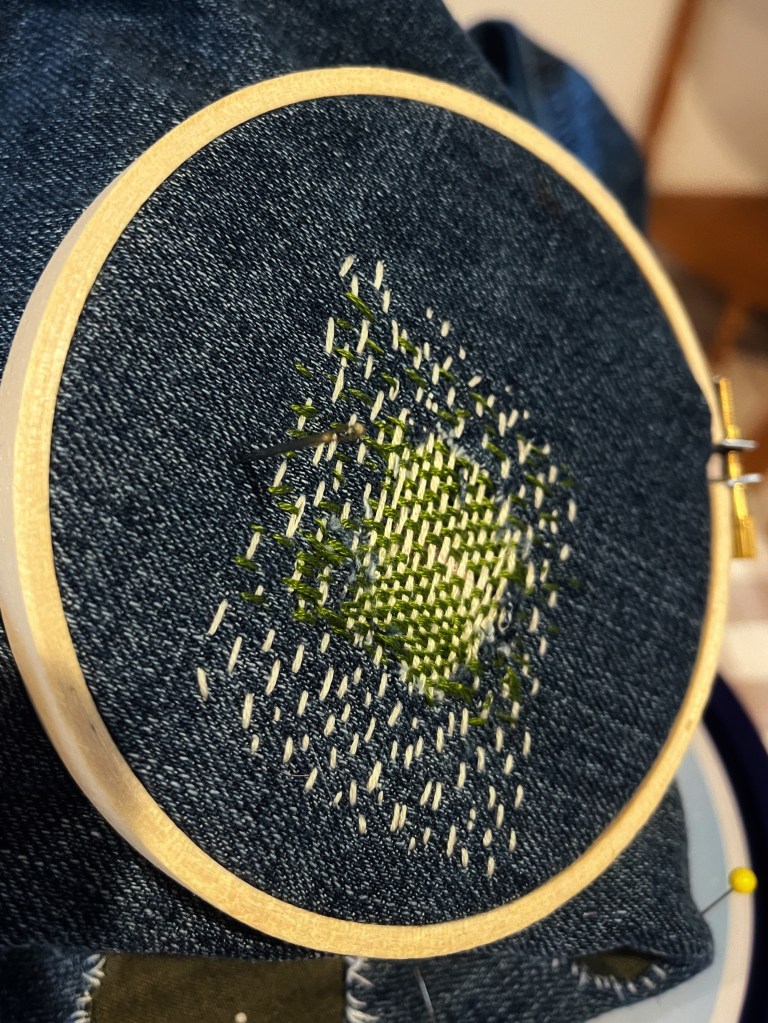
Our society has forgotten the beauty of repair. When a button falls off or a seam rips, we tend to treat the item as ruined instead of fixing it. Instead of seeing things as valuable, we see them as consumable and replaceable. It’s easier to dispose of something instead of invest in it.
I owe the seeds of these realizations to the sisters who wrote Mending Life, my new favorite book on mending. Not only does it teach practical steps for mending garments, it also offers beautiful thoughts and meditations on the practice of mending and how it can change both us and the world around us. They also have an excellent Etsy shop with gorgeous prints, stickers, and zines.
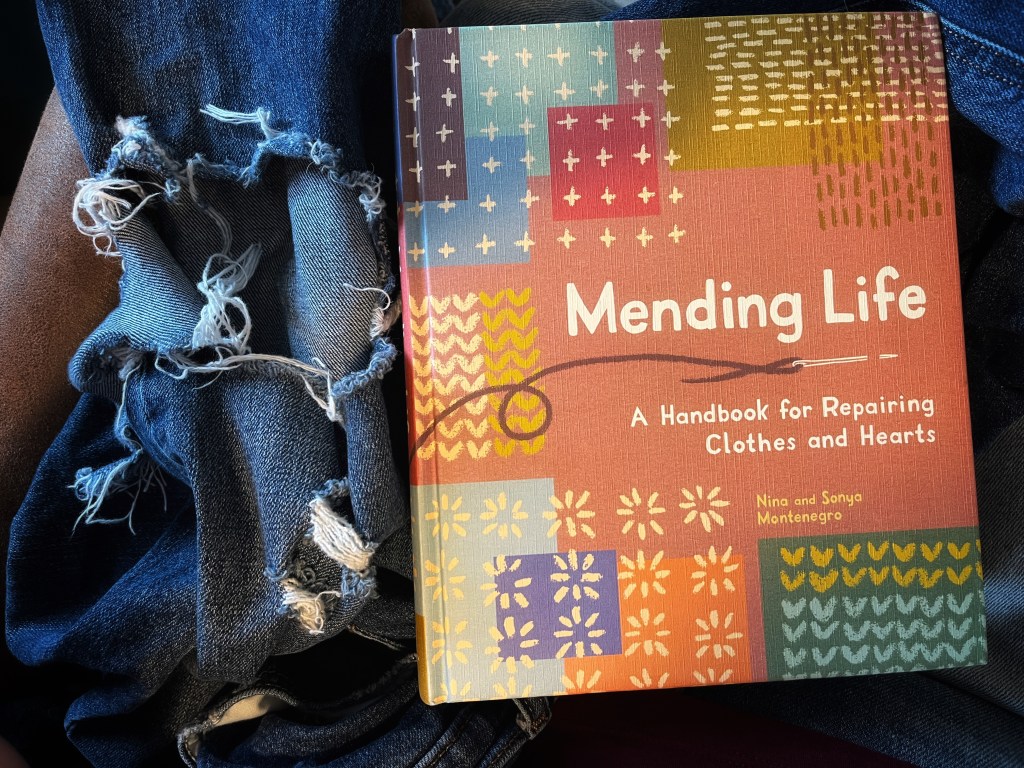
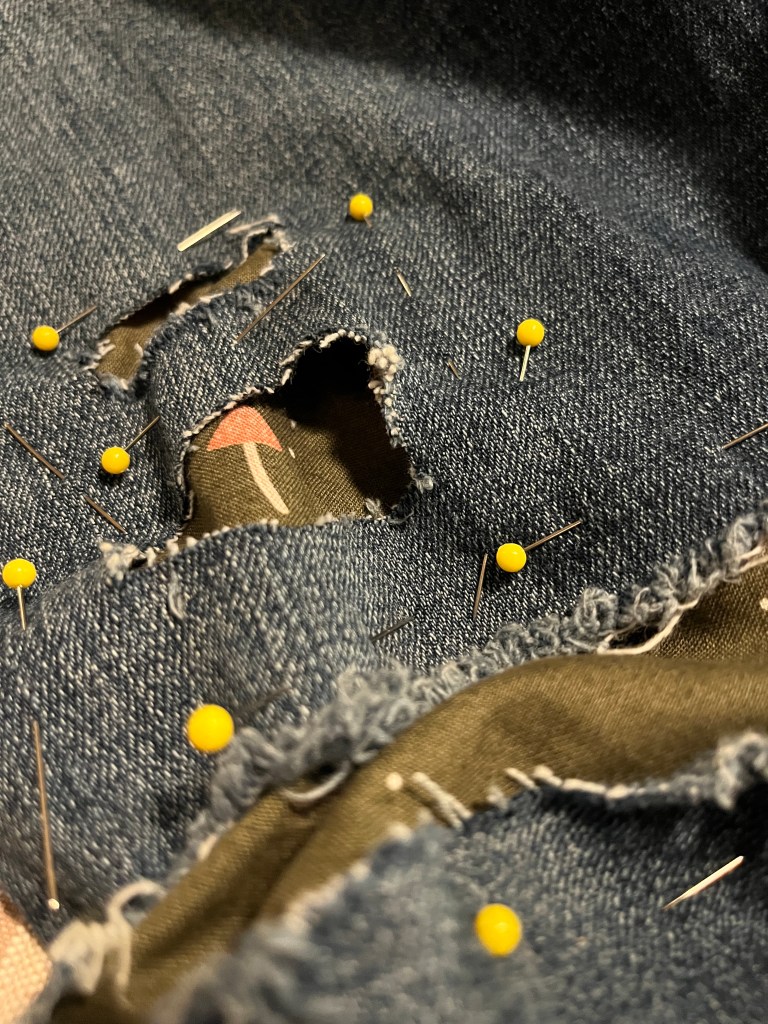
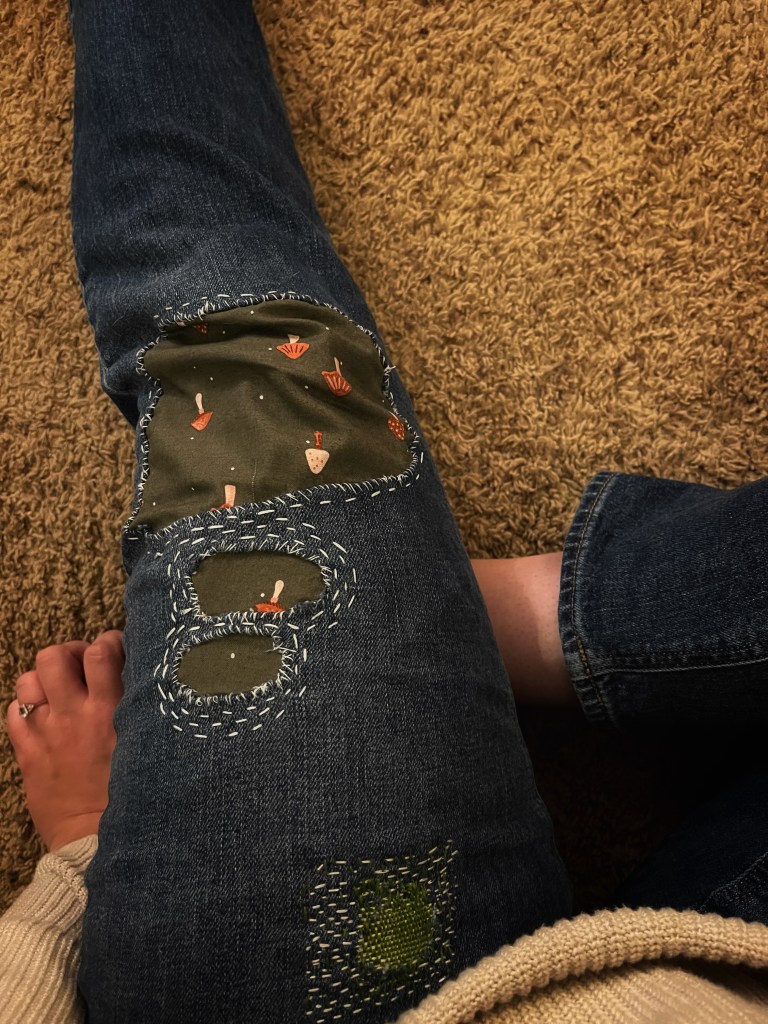
In their book, they talk about mending as an act of healing. I used to hesitate to mend my garments. Patches are obvious, and I’m not a skilled seamstress so they never look quite perfect. Plus, it’s easy to go out and buy new jeans instead of taking the time to patch an old pair. But their discussion of mending as healing transformed patches in my mind. Instead of being unkempt, they’re now a physical manifestation of brokenness made whole. They’re an opportunity for art.

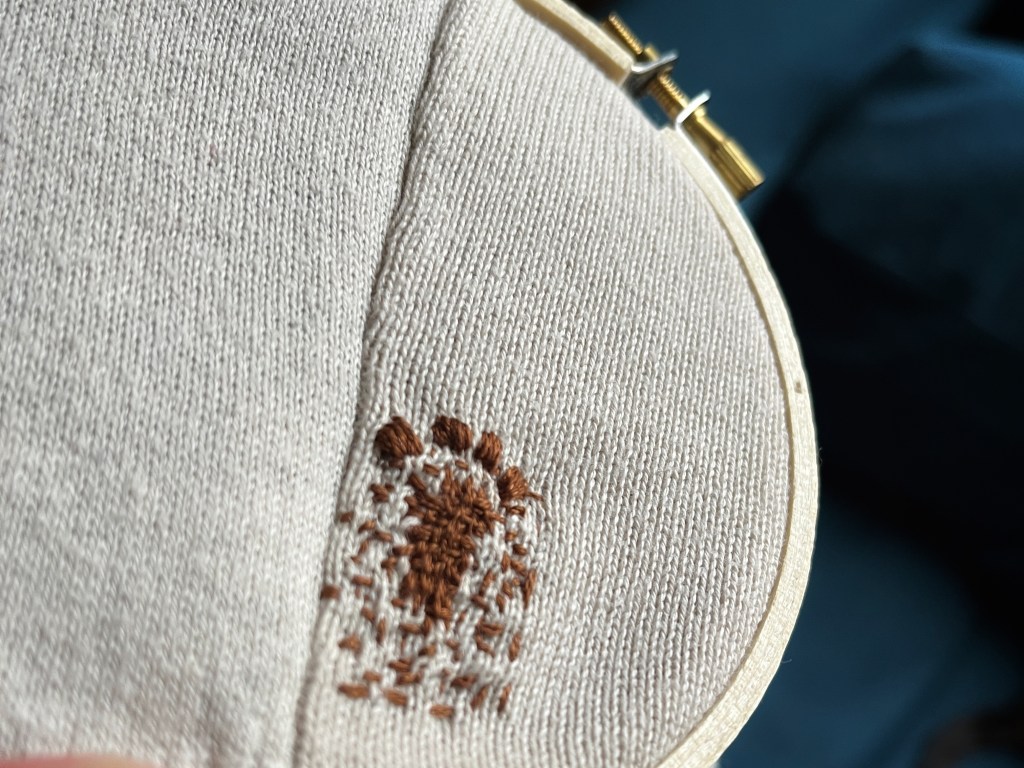
The practice of repair is applicable to all facets of life, not just clothing. People and relationships have also fallen victim to the disposable mindset, with “cancel culture” being one example. People are precious — when mistakes are made, feelings hurt, or relationships are broken, often it’s worth the time and energy and dignity of repair.
I’ve found the practice of repair especially important as a parent. As I stepped into motherhood, my own flaws and brokenness became even more glaringly apparent. My favorite book on parenting, The Power of Showing Up, talks about the importance of repair in a different sense. The authors Daniel Siegel and Tina Payne Bryson are under no delusions: they know parents will fail their children. We will yell, or snap, or make the wrong decision, or fail to meet our child’s needs. It will happen, no matter how hard we try to be perfect. The important thing is how we respond after we have failed our children: we apologize. We reconnect. We communicate. We repair.
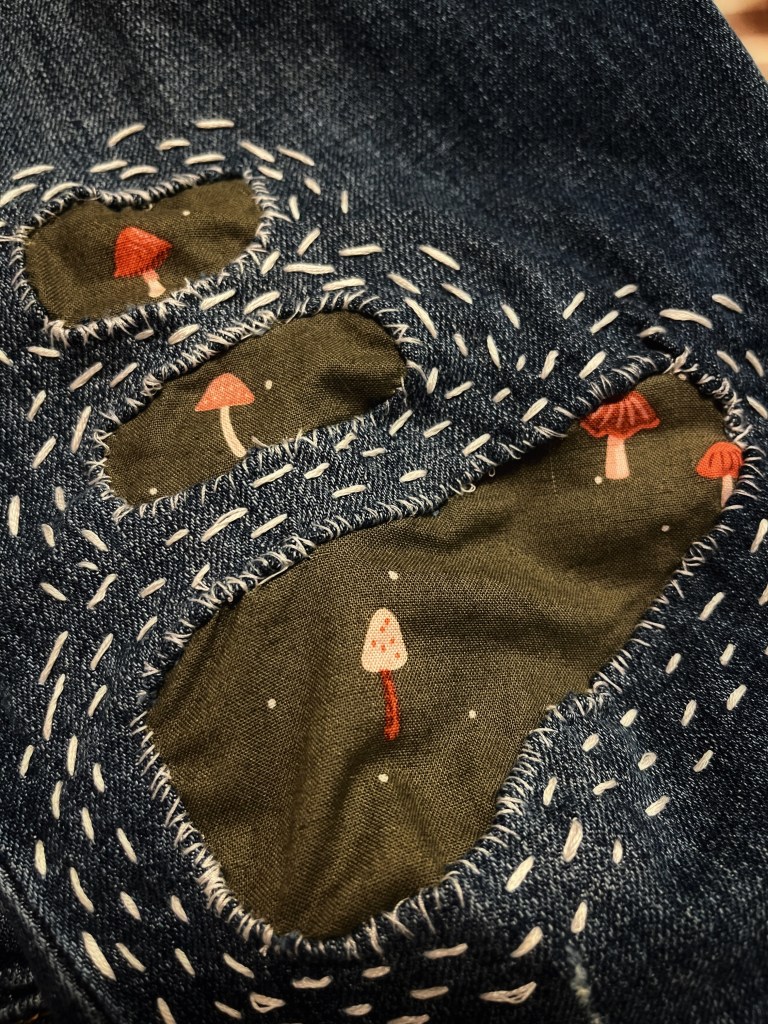
Embracing mending fosters a lifestyle that embraces our brokenness and also embraces making things whole again, whether through fabric and thread or repentance and forgiveness.
Mending helps us answer the question: what can we do when faced with the brokenness of the world? We transform our suffering into something beautiful. We trim the fraying edges, thread our needles with our most beautiful thread, and take the hole or rip or tear and make it into something beautiful.
 five acres four generations
kintsukuroi 💛
One day, one stitch at a time 🙏🏽 #ItsAMetaphor
(Praying you get power back soon)
LikeLiked by 1 person
💛💛💛
LikeLiked by 1 person