I feel like I say every room in our house is my favorite — but of all my favorites, I definitely spend the most time in the kitchen. It’s the first place I go to when I stumble out of bed in the morning, and the last place I tidy before I head to sleep.

I love the sage green of the walls — a color both calming and alive. I love the hanging pots and pans. I love our counters, lovingly sealed and installed by my dad and my husband. I love the large sliding door that opens to our porch and invites the breeze to blow through our home. I love the deep sink and the window that looks west over our backyard, and how the sunset trails its fingers down our walls every evening before dinner.

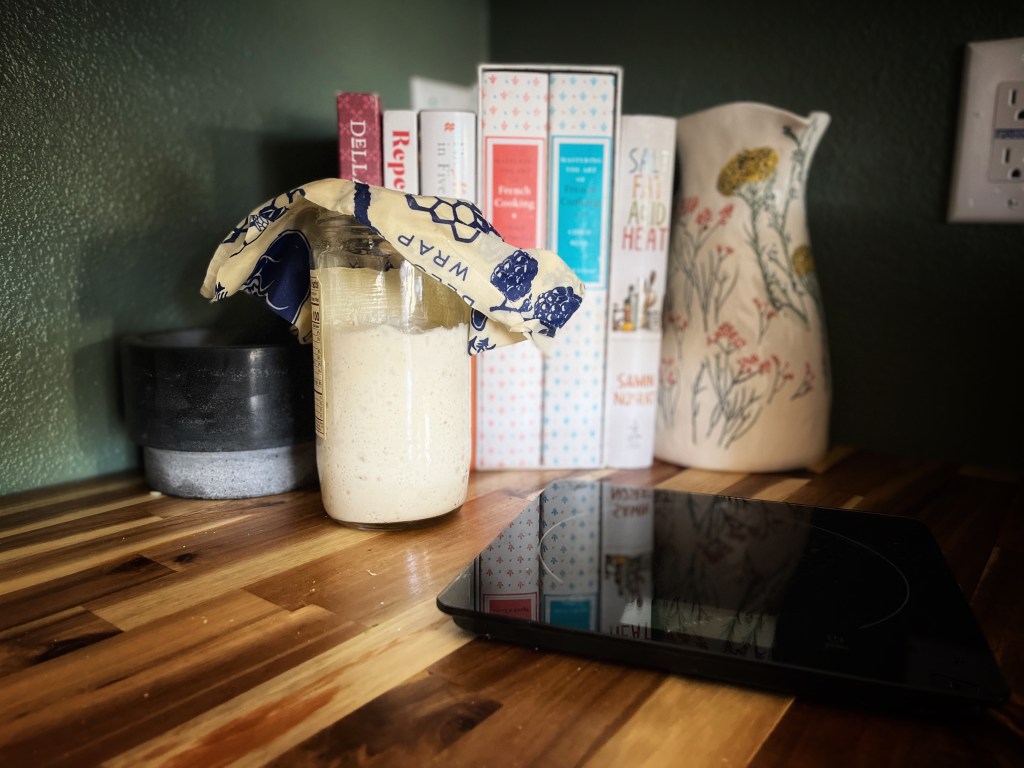
As I said, I spend the greater part of my hours in the kitchen. Putting away groceries, preparing food, eating food, cleaning up after meals, preparing snacks for my little one, cleaning out the fridge, emptying the dishwasher, filling the dishwasher — the list goes on.
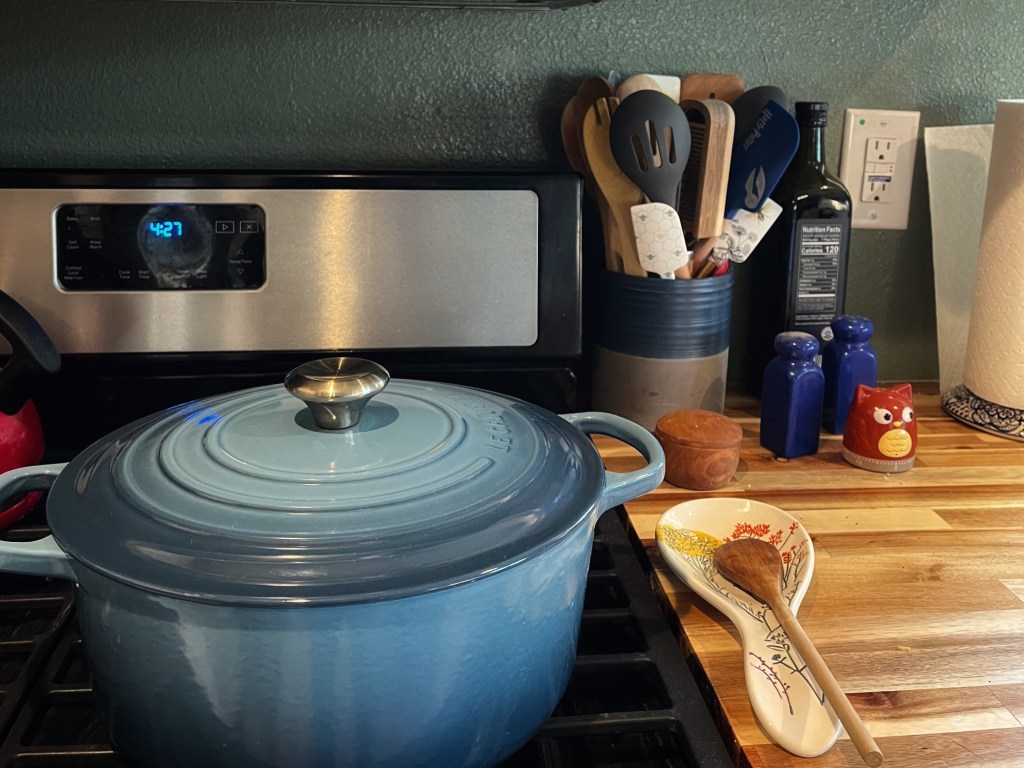
However, some days I don’t see the green walls or the hanging pots and pans or the sink or the sunset. I see a never-ending cycle of chores that makes Sisyphus look like a man taking his pet rock for a stroll. No matter how many dishes I wash, more will be dirty in an hour or two. No matter how many meals I make, we will all be hungry and ready to eat again shortly. Every day when I wake up, the same tasks await me.
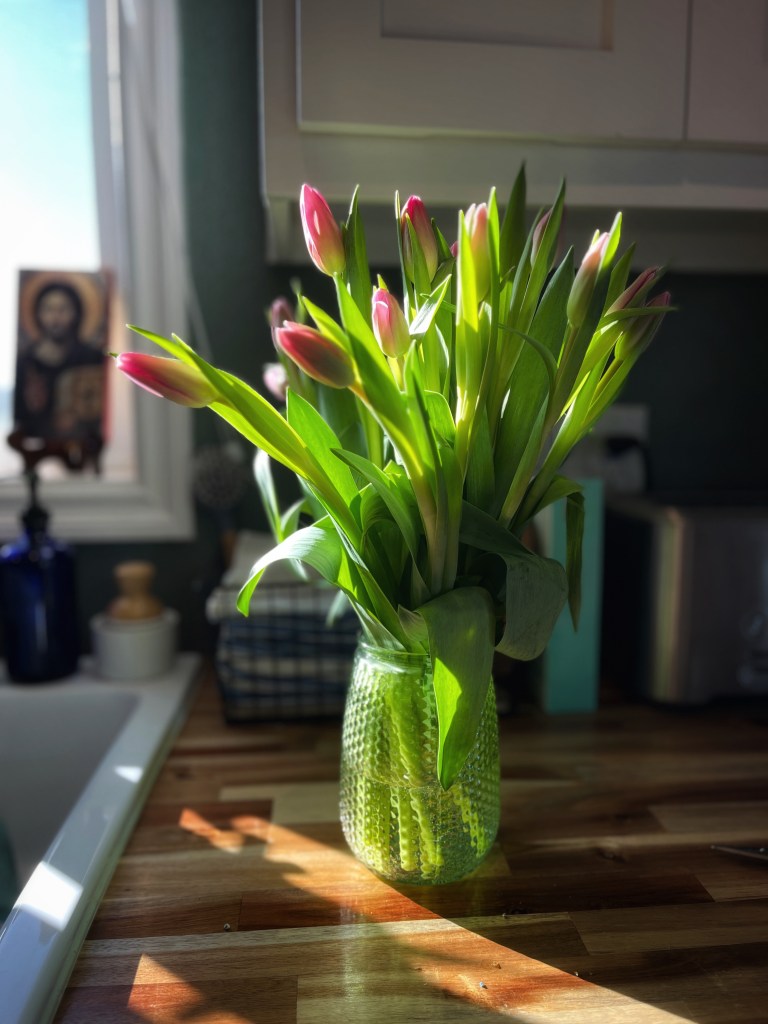
Much of motherhood and homemaking is cyclical and repetitive: somehow both always changing and always the same. My days all look very similar to each other, but just as I feel like I have a grasp on our routine, Michael hits a new growth milestone, and it causes a domino effect on my previous schedule or routine, and I begin again.
St. Benedict, the father of Western monasticism, has a famous motto I memorized back when I studied Latin in school: Ora Et Labora, which means “pray and work”. All of our work is an opportunity for prayer and beauty and sanctification: not just the parts I enjoy like writing or knitting or gardening, but also the dishes and the laundry and the vacuuming.
I can look at my labor as drudgery (and on my worst days, Lord have mercy, I admit I do), or I can embrace the work, offering it up as prayer and sacrifice and turning it into love. Even the constant and unending chores. Especially the constant and unending chores.
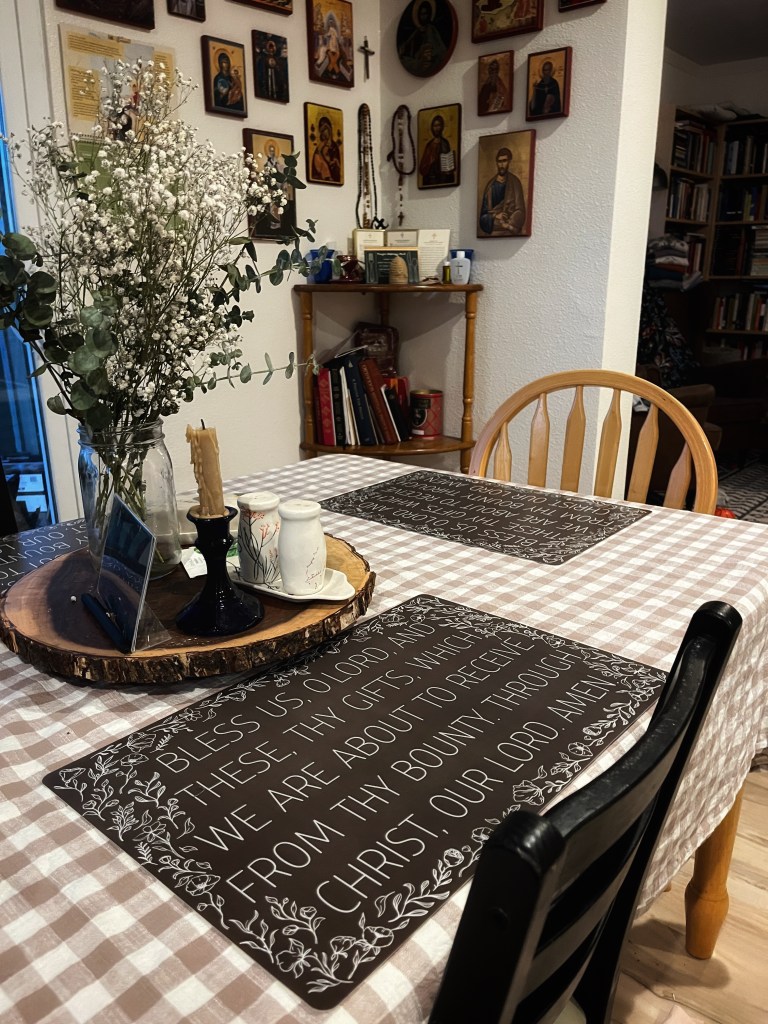
I’ve created small places in my kitchen to remind me to offer up my labor as I cook or clean. Our prayer corner is the eastern(ish) corner by the table. I have icons of Christ and St. Euphrosynus (the patron saint of cooks/kitchens) on the window sill above my sink. I also have a small card with the Hours printed on it: whenever I’m doing dishes, I try to find the closest hour and pray the corresponding Psalm.

Becoming holy is a labor that takes as much persistence as doing the dishes or laundry (if not more). No matter how many times you repent, you will have to repent again. Becoming more and more like Christ takes constant toil in the gardens of our hearts. Our faithfulness in these small, seemingly insignificant chores will translate over to our faithfulness in larger things. Luke 16:10 comes to mind: One who is faithful in a very little is also faithful in much.
Many of the venerated saints of the Church speak about this constant struggle towards holiness. St. Benedict also says, “Even when we fail, always we begin again”. And St. Anthony of the Desert says, “Everyday I say to myself, today I will begin.” It is here, in the daily struggle and daily choices, that saints are formed.
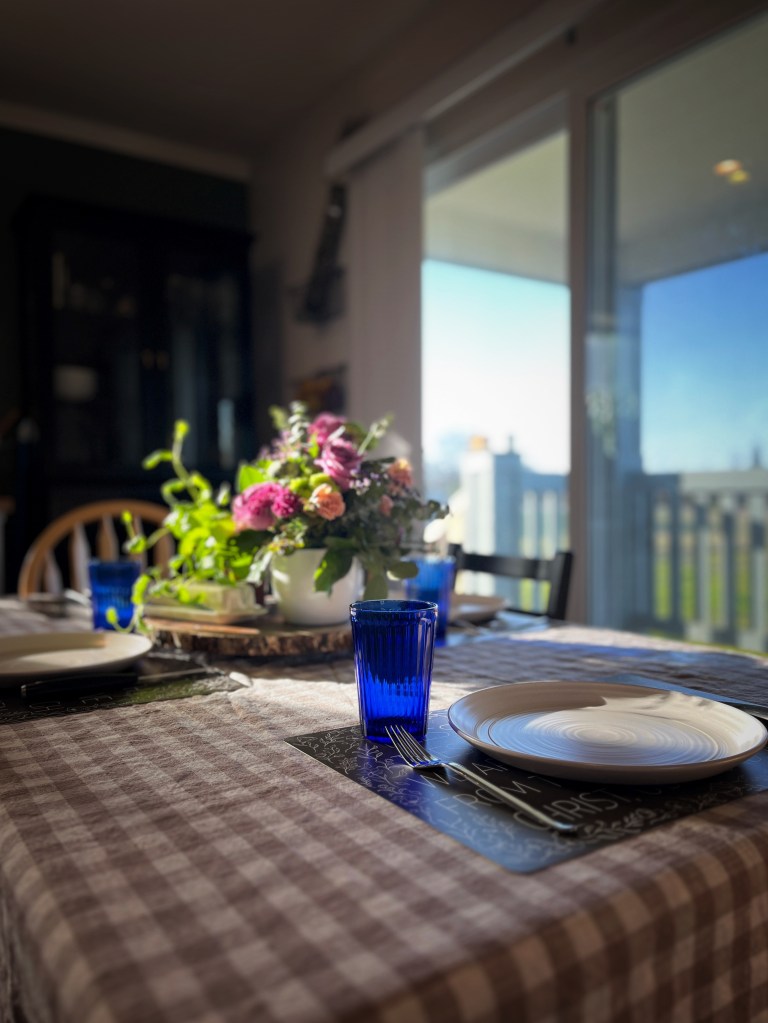
So tomorrow, when I enter my favorite room in our house and have a dishwasher to empty, meals to cook, and laundry to wash, dry, and fold, may I look at as an opportunity to begin again; taking steps toward my sanctification through work and through motherhood.
 five acres four generations
This entire passage: “Becoming holy is a labor that takes as much persistence as doing the dishes or laundry (if not more). No matter how many times you repent, you will have to repent again. Becoming more and more like Christ takes constant toil in the gardens of our hearts. Our faithfulness in these small, seemingly insignificant chores will translate over to our faithfulness in larger things.”
Fire.
….also, those countertops ain’t got NO business looking that fly 😮💨
LikeLiked by 1 person
Thanks fam 🥰🥰🥰
LikeLiked by 1 person