If you follow me on Instagram, you already know: a few weeks ago, my amazing husband surprised me with a belated birthday/Valentine’s Day gift:
A spinning wheel.
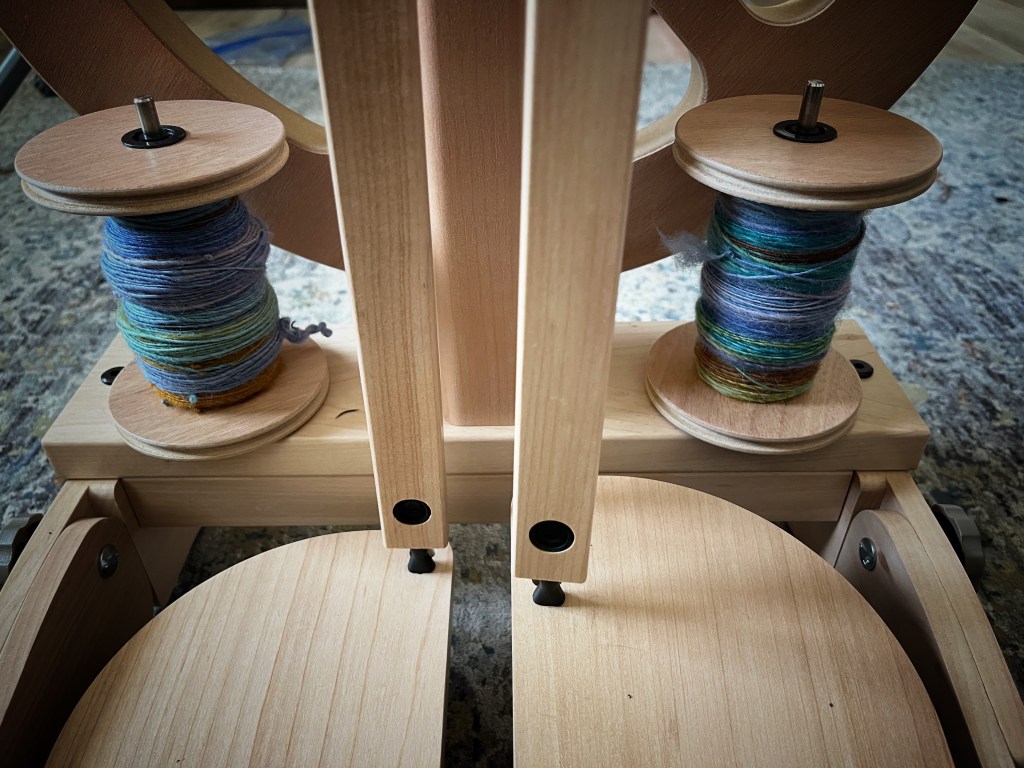
We had talked about it before, and I’d told him my dream wheel as we discussed future purchases and goals in the upcoming months and years. So imagine my shock and delight when he came in from work with an Ashford Kiwi 3 in his arms.

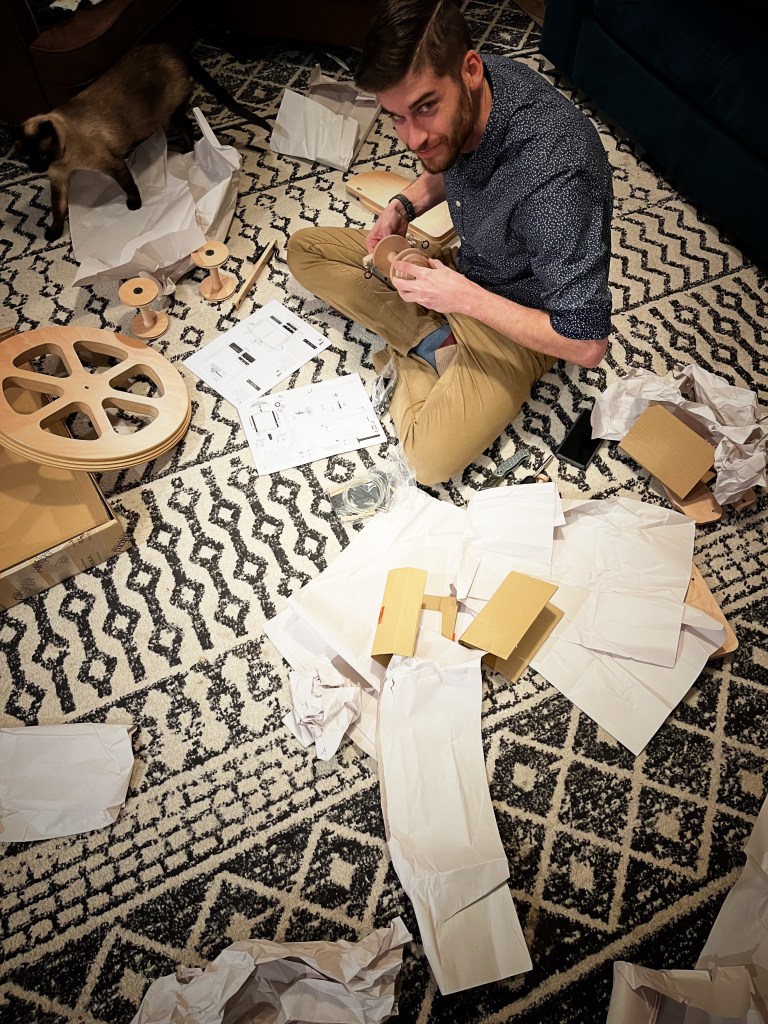

He even spent his evening assembling it for me while I watched YouTube videos on using a spinning wheel for the first time. I’m absolutely in love (with him, and with my spinning wheel).
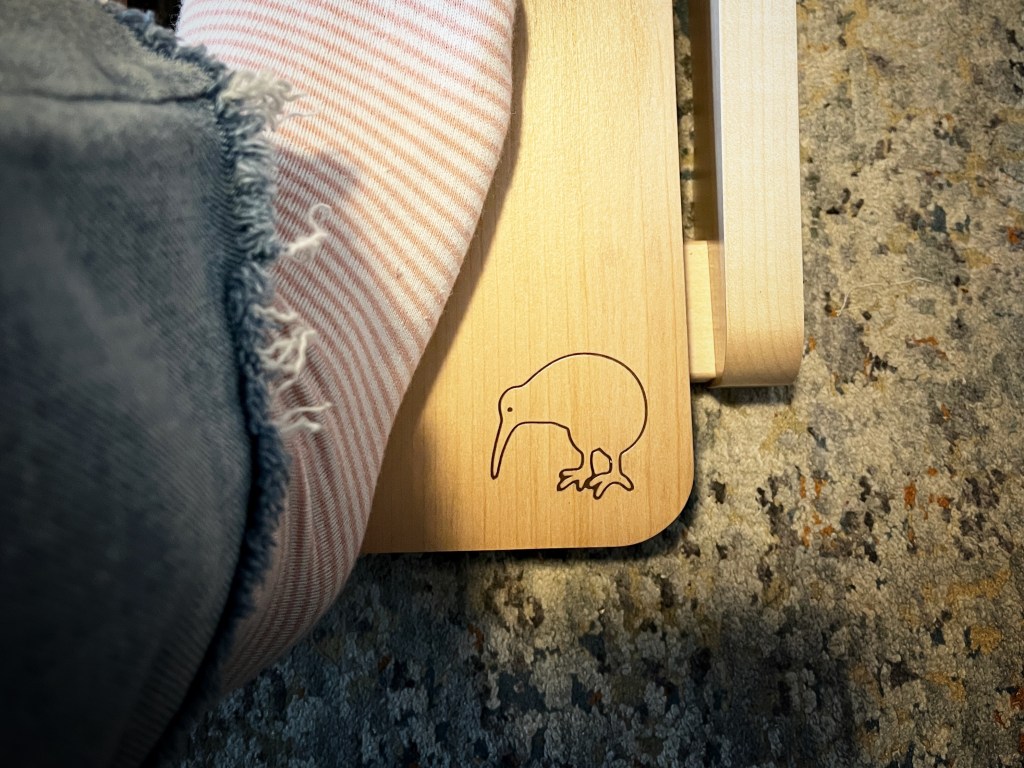
I had been greatly enjoying learning how to use my drop spindle, but often found my arms and wrists fatigued at the end of a long spinning session. Also, it’s very slow. It took me a few weeks to spin a skein of yarn on my drop spindle: after the learning curve of my wheel, I’ve completed three skeins. While I delight in slow crafting, I only have so many minutes in a day to dedicate to my crafts, so I’m excited to practice my spinning and have more handspun yarn to knit.

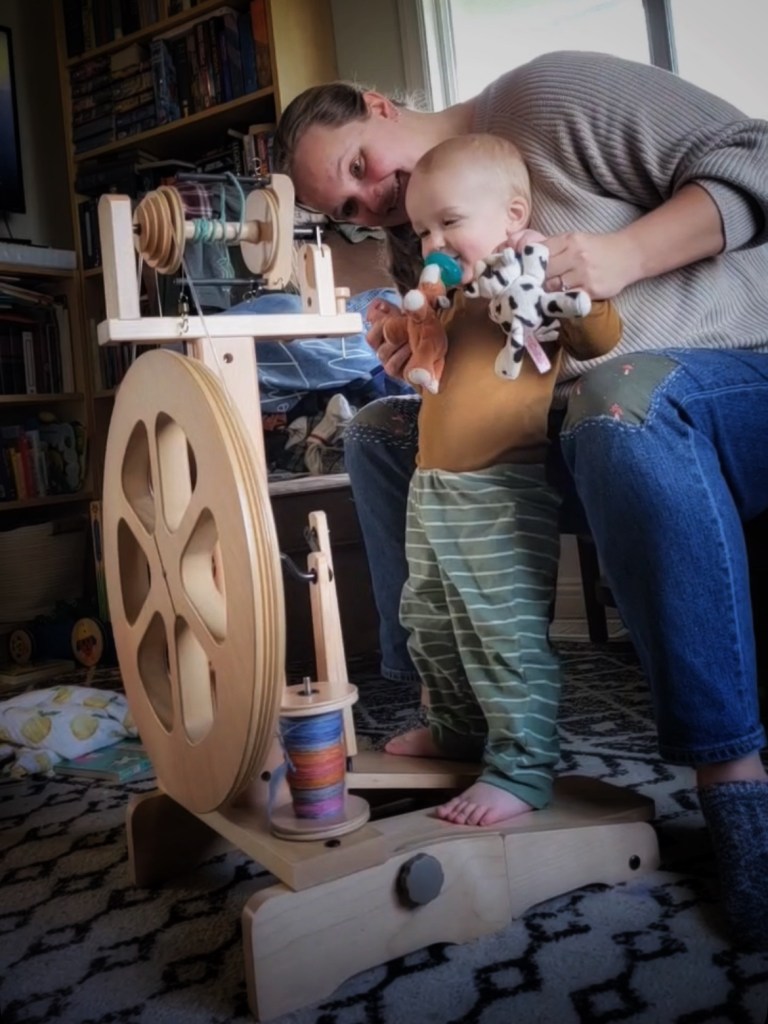
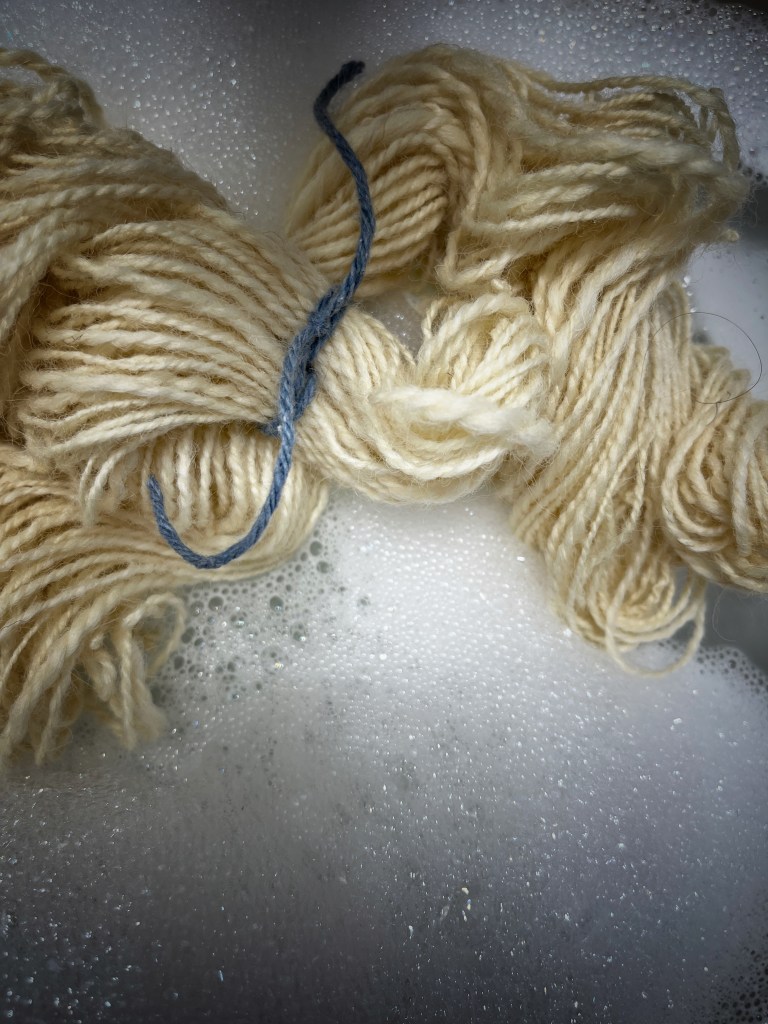
My trial skeins were rough, and I think they’re some of my favorites. I love that I have physical, visual progress: I can look back at my first warped and uneven work, and see how much I’ve improved in just a few short weeks.

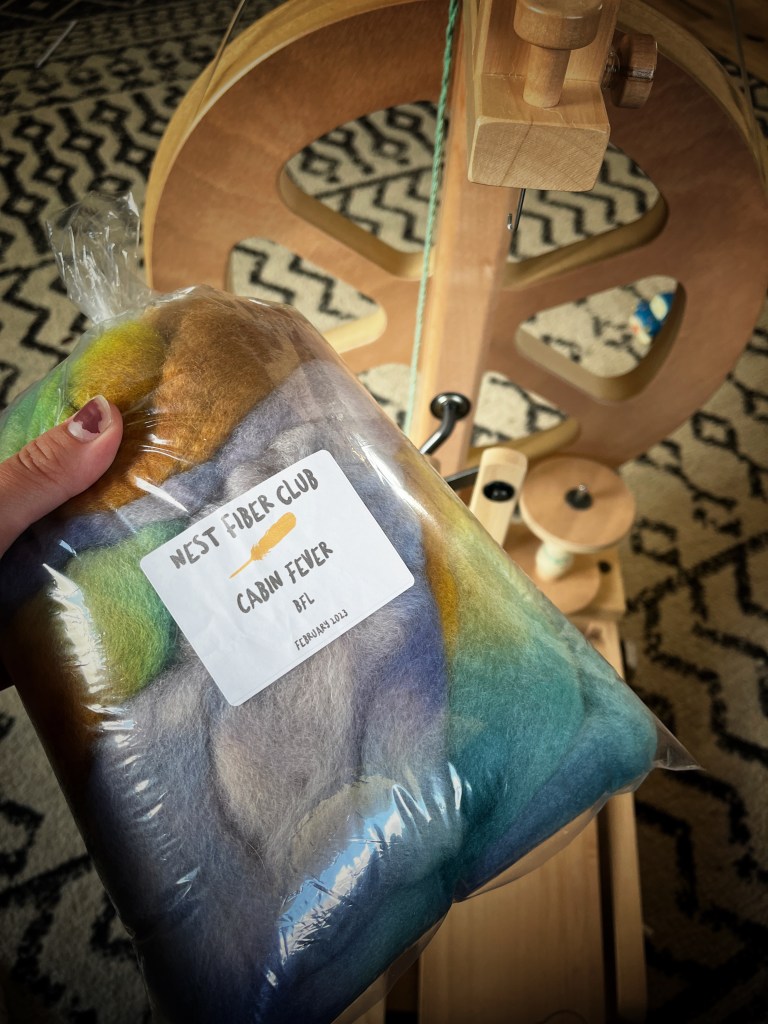
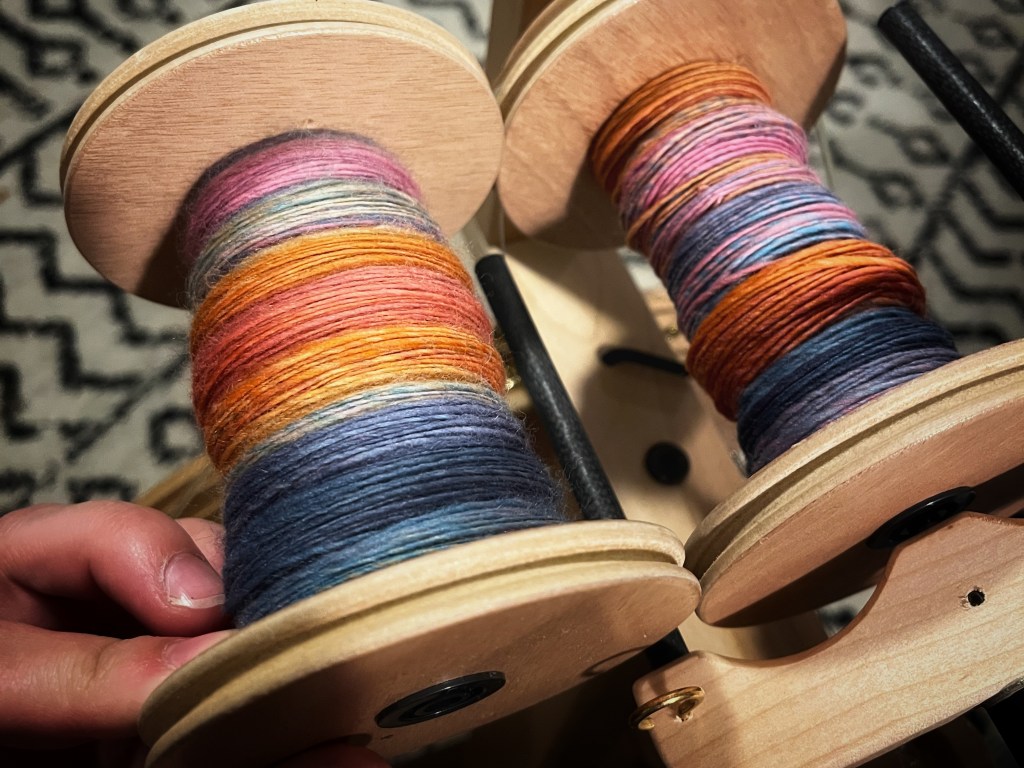
My first spin after my trial skein was using Nest Fiber’s Cabin Fever, a BFL (Blue Faced Leicester) fiber. It’s a good wool for beginners. I decided to do a 2 ply, which means I spun two bobbins of singles and plyed them together for the final yarn.
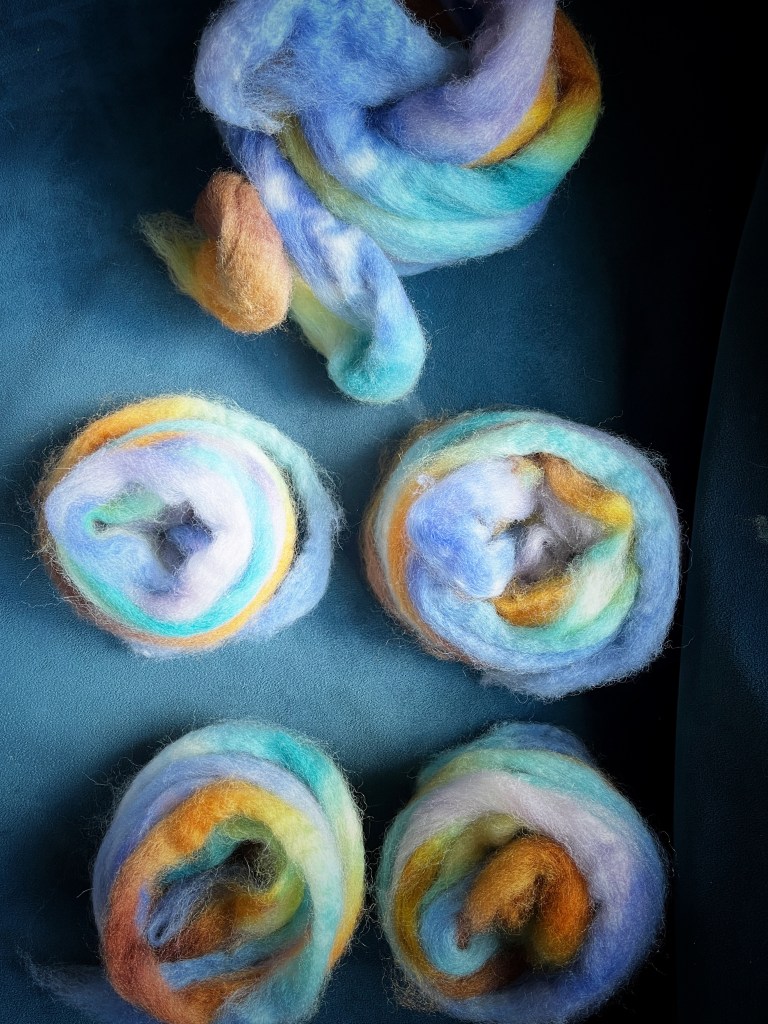
I also decided to do a fractal spin: first, I split the fiber in half. I kept one half as it was, and then split the other half into quarters. I then spun the half end to end on one bobbin and the quarters end to end on another bobbin. This means one bobbin is a long, stretched out color pattern, and the other bobbin is that color pattern repeated in much shorter segments. Plying them together gets you a beautiful mosaic where you rarely have two of the same colors in the same place.
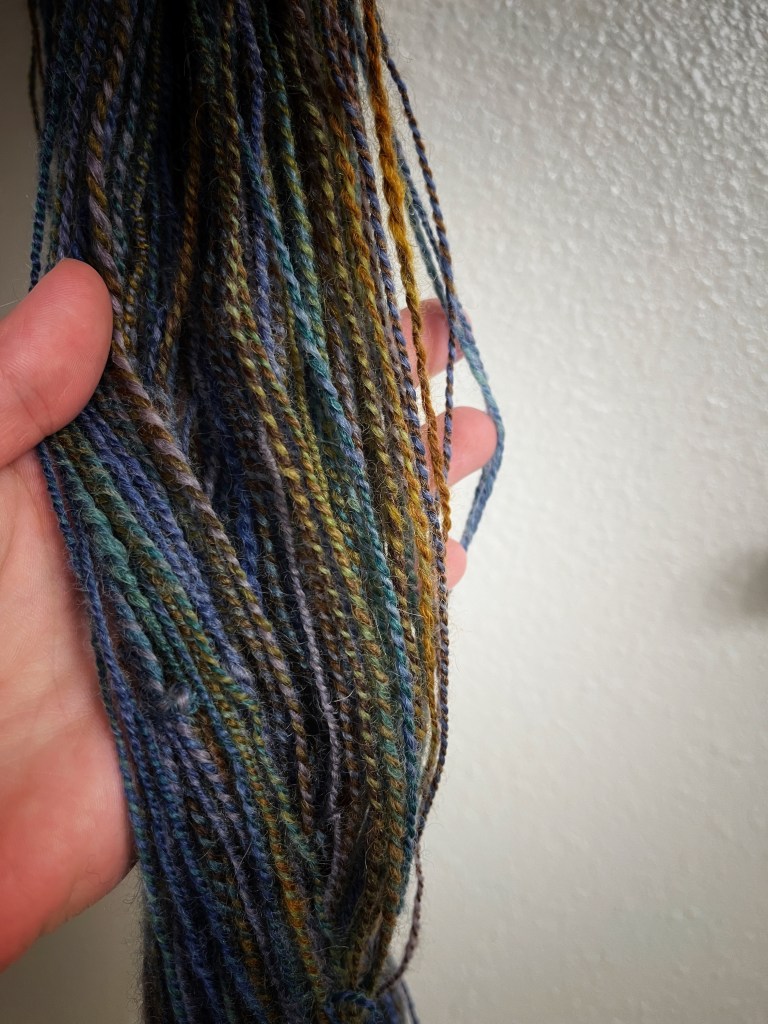
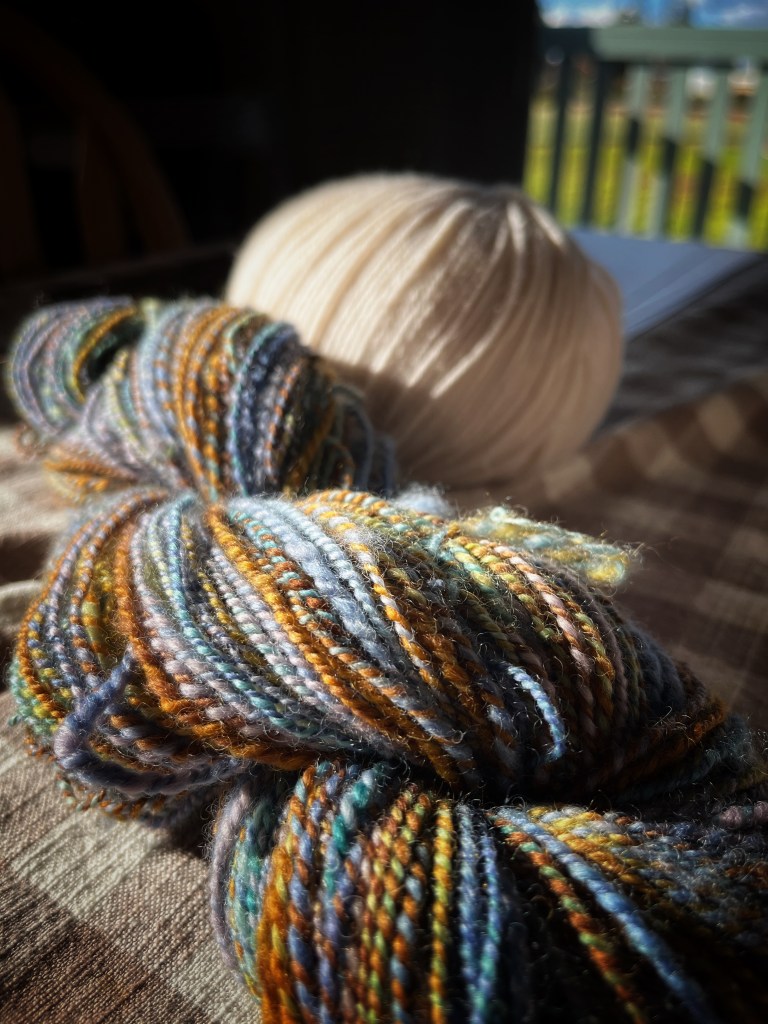
There are places where it’s overspun, and places where it’s underspun. It varies in thickness in many places, anywhere from a fingering weight to a light worsted weight. There are places where a stray blep of fuzz sticks out. But I’m really happy with the way it turned out, despite its flaws. I have plans to make a color-work cowl or hat, pairing it with a natural cream yarn.

I’m in the process of my fourth spin, using another Nest Fiber product: Andromeda, a Targhee fiber. My sister fell in love with the sunset colors, so I’m spinning it for her. I’m halfway through the plying process.


I have always been mesmerized by the act of spinning yarn. There’s something incredibly ancient about it: since the dawn of human history, people have been spinning fiber for cloth and rope: a necessity for survival. The cloth that clothed the poorest farmer and the tapestries that hung in the halls of kings: each and every thread was spun by hand.
There’s also something deeply feminine about spinning. Though I don’t think fiber arts should exclude men who want to participate, it would do a disservice to our forebears to ignore that this is the work that historically fell to women. This is the art that gave our ancestors power and agency when they had none: we get the term “spinster” from an unmarried woman who could support herself through her skills with fiber.
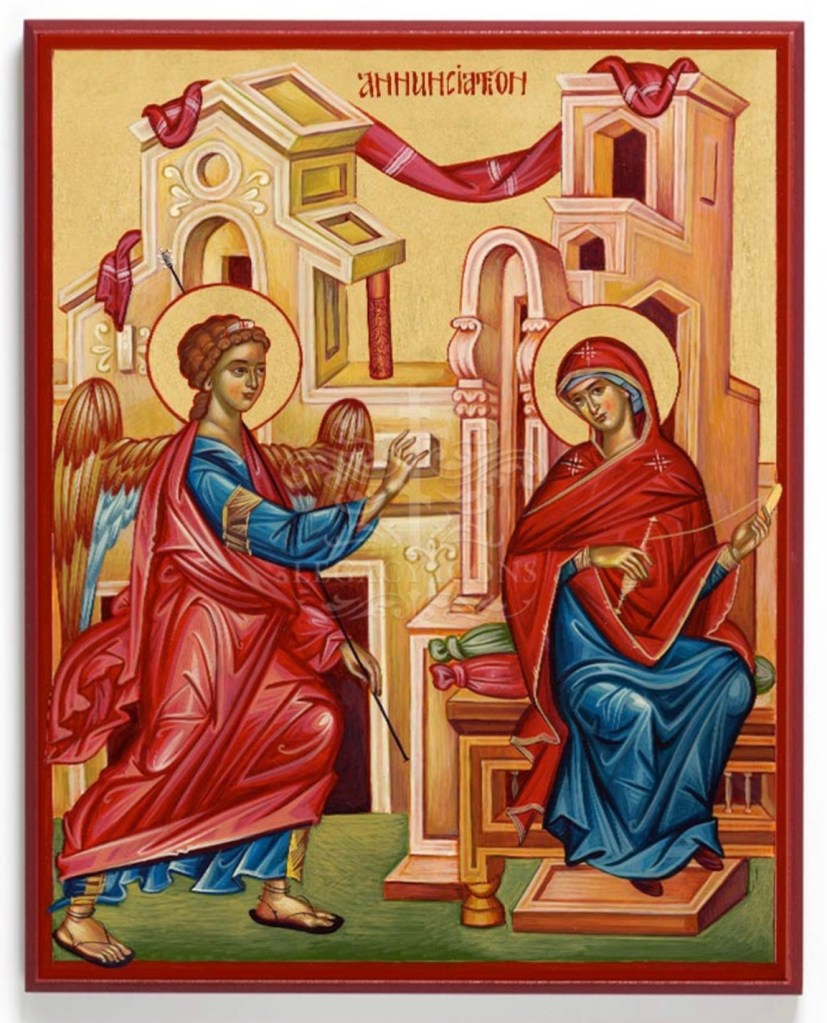
According to the ancient source the Protoevangelium of James, the Virgin Mary herself spun the red and purple thread that became the veil in the Temple. Many icons and paintings of the Annunciation depict the Theotokos with a spindle and distaff in her hand.

We have become so desensitized to thread and cloth we take it for granted: work done by machines or by invisible hands. But since learning how to spin, I’ve begun to notice cloth all around me: from the rugs underfoot to the garments we wear.
I’ve also begun to see cloth referenced in the Gospels in a different light: The swaddling cloth that Christ wore at His birth, and the tunic the soldiers cast lots for at His crucifixion. The hem of His robe touched by the woman with the flow of blood, a conduit of His healing. His grave clothes and face covering in the empty tomb. All made by women, some by women He knew. Perhaps even His mother.

It brings to my mind how Christ does not work through the grand and lofty, but rather the humble. The humblest people, women, the first to behold His resurrection. The humblest items such as hems and grave clothes, used for the holiest of purposes.
He has cast down the mighty from their thrones,
The Magnificat, Luke 1:51-53
and has lifted up the lowly.
He has filled the hungry with good things,
and the rich he has sent away empty.
I’ve had some people ask me why I got into spinning. To many, it may seem an obsolete and unnecessary art. I started it because I wanted to better understand the fiber I knit with, but from there I grew a whole new appreciation of so many things: fiber, history, women, the Church. A casual curiosity has branched into a joyful passion. I’ll be spinning and knitting for the rest of my life, as long as my body allows it. Above all, I am grateful for the ways spinning draws my attention to that which is often overlooked, and the ways it keeps me humble.
 five acres four generations
Anything that brings you joy and fulfilment in creating something is not unnecessary. Doing those things allows us to slow our lives down and enjoy simple pleasures. So spin and knit away, your mental health will benefit.
LikeLiked by 1 person
Thank you! 🥰
LikeLike
Whoot! That is awesome! Your spinning looks amazing! I want to learn someday but who knows when that will be. I’m super impressed. Love your connections you’re making to the church too
LikeLiked by 1 person
Thank you! 💛💛💛
LikeLike
No art, when done with passion and purpose, is ever obsolete.
Except maybe those done solely to instill joy and reverie: Those drop out of chronos and offer a window into kairos. The anecdote to obsolescence.
*snaps of it* DOOD those colors, tho 🤯😭
LikeLiked by 1 person
Ahhhh I love that 😭💛
LikeLiked by 1 person